AI passages vs real books: when to use which
One is available at any level on any topic within seconds. The other has an author, a cover, and a reason to keep turning the page. These are not competing answers to the same question.
8 min readUse generated passages for the reading you need this week at a level that fits everyone — comprehension practice, vocabulary in context, a text tied to whatever the syllabus reached. Use real books for sustained reading, where finishing something long is the point. A course that only does one of them is missing something the other provides.
They do different jobs
- Any topic, available at every level immediately
- Matched questions and vocabulary support
- Short — a lesson's worth of reading
- Written to teach, so nothing is incidental
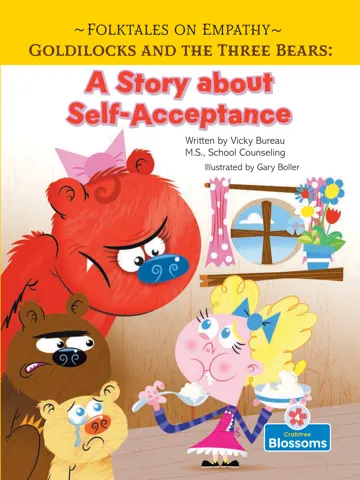
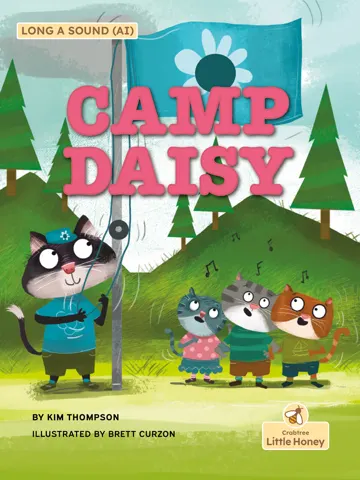
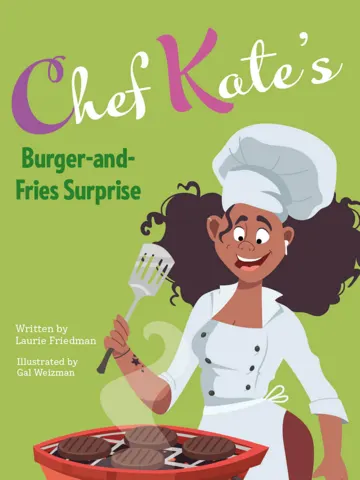
- A real author with a voice worth meeting
- Long enough to build reading stamina
- Illustration, design, the physical object
- Finishing one means something to a student
The mistake is treating these as alternatives and choosing. A generated passage will never give a student the experience of finishing a novel. A novel will never be available at eight levels about the topic you are teaching on Thursday.
Intensive reading builds skills. Extensive reading builds readers. A course needs both and they're not interchangeable.
What generated passages are genuinely good at
- Matching the syllabus. When the scheme of work reaches renewable energy, a text about renewable energy exists at every level in the room.
- Covering the whole class. The main argument for them — nobody is handed a text they cannot read.
- Targeting specific vocabulary. Written to include the words you are teaching, in context, rather than hoping a published text happens to contain them.
- Practising a skill repeatedly. Inference, or fact-finding, or following an argument, across as many texts as it takes.
What only a real book does
Stamina is the obvious one. A student who has only ever read four-hundred-word passages has never practised holding a thread across chapters, and that is the skill every exam and every degree eventually demands.
The less obvious one is motivation. Finishing a book is an event. It produces the sentence "I read a whole book in English", and no worksheet has ever produced that sentence.

Planning a term that uses both
A workable division most departments land on:
- 1Weekly: a generated passage tied to the topic, at every student's level, with questions and a short writing task. This is your intensive reading.
- 2Ongoing: a book each student is working through independently, chosen rather than assigned wherever possible. This is your extensive reading.
- 3Occasionally: a whole-class text everyone reads together — usually a book — for the shared experience a differentiated passage deliberately avoids.
Dily keeps these separate on purpose. Reading Routines are generated passages, written across levels with matched questions and prompts. The Book Library is real titles with actual pages, where you can set reading with listening or read-aloud requirements and see how far each student has got. Different tools, different jobs, and the distinction is worth preserving in how you talk to your department about them.
Bring Dily to your classrooms
Tell us about your school and we'll set up a demo tailored to how your teachers work. Pilot programs available.